Bonding With a Reactive Dog: Build Trust That Lasts
Table of Contents
Why a Deep Bond Changes Everything for Reactive Dogs
Bonding With a Reactive Dog: Trust Before Training
Building Trust With a Rescue Dog Through Routine
Frequently Asked Questions
Last Updated: 16 October 2026
Why a Deep Bond Changes Everything for Reactive Dogs
A strong bond is the foundation of every training breakthrough with a reactive dog. Without trust, even the best techniques fall flat. At White Wolf Dog Training in Reading, we see this daily: owners who feel overwhelmed by lunging and barking often find that rebuilding connection changes everything. Bonding with a reactive dog is not about being soft; it is about becoming the person your dog looks to for guidance.
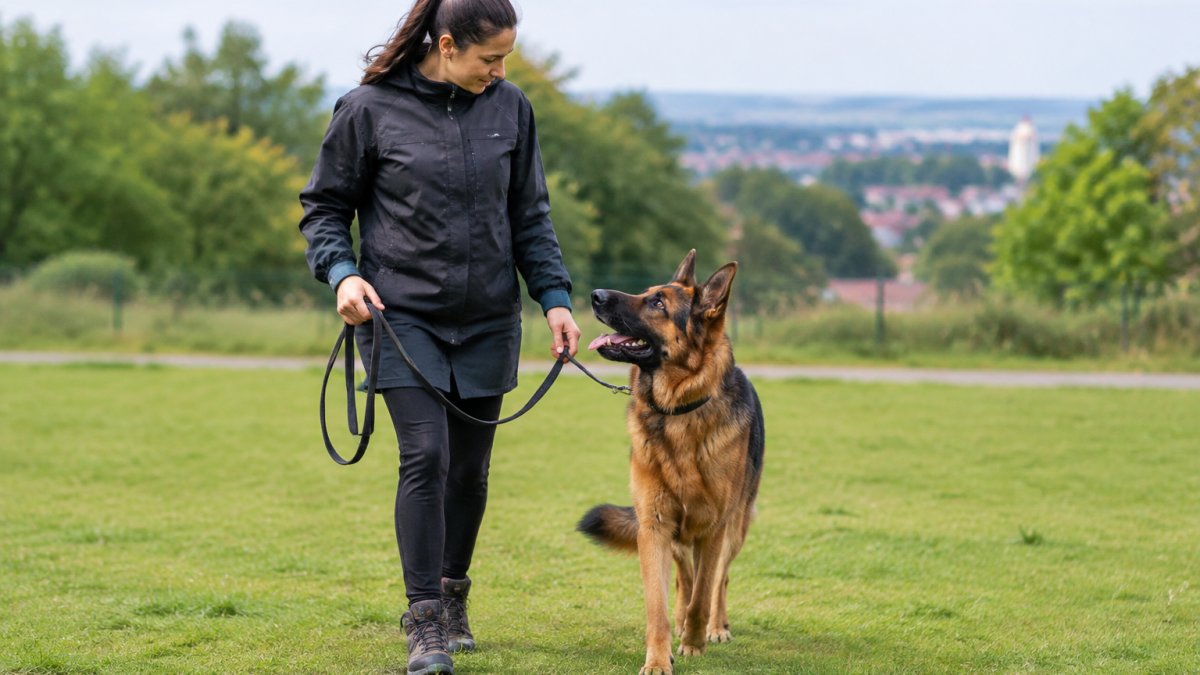
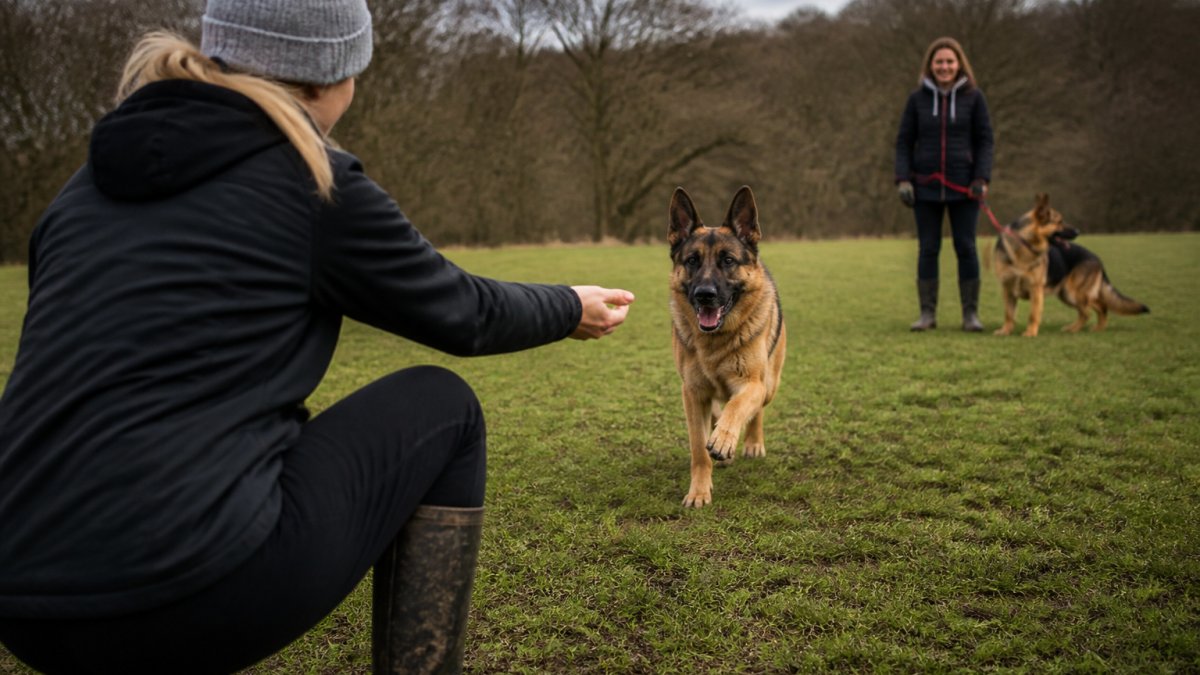
When a dog trusts you, they look to you instead of reacting to every trigger. That shift makes loose-lead walking training and reliable dog recall training possible.
Pro Tip Start every walk with two minutes of calm, slow sniffing on a loose lead before you ask for anything. It lowers arousal and sets the tone for the whole walk.
Bonding With a Reactive Dog: Trust Before Training
Bonding with a reactive dog means building trust before you teach new behaviours. Every calm interaction, every predictable routine, every gentle handover of control tells your dog you are safe. That is the relationship-based approach we use at White Wolf Dog Training.
Trust grows through small, consistent moments:
Feeding at set times and resting in the same spot each day
Walking the same quiet route until your dog relaxes there
Rewarding calm behaviour, not just obedience
Keeping your own body language slow and steady

This is where most owners see the first real change: their dog starts checking in with them instead of scanning for threats.
Watch Out Punishing a reactive dog for barking or lunging damages the bond you are trying to build. It may suppress the behaviour briefly, but the underlying fear remains and often returns stronger.
Building Trust With a Rescue Dog Through Routine
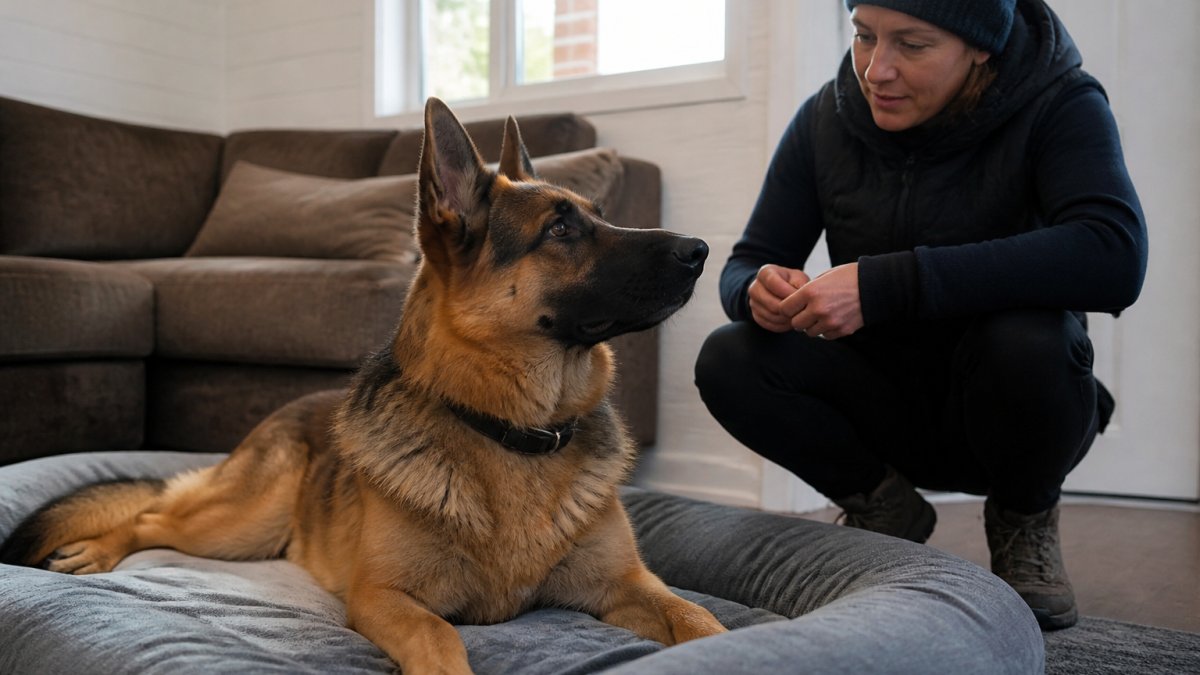
Building trust with a rescue dog starts with routine. Rescue dogs often arrive with unknown history, so predictability becomes the bridge to security. The same walk, the same meals, the same quiet corner to retreat to; these small certainties tell your dog what to expect and that you are reliable.
Pair routine with patience. Some rescue dogs need weeks before they relax into a new home. Rushing introductions to other dogs or busy places can set progress back. Instead, build calm behaviours at home first, then gradually introduce the outside world.
For owners in Reading, Wokingham, Bracknell and surrounding areas, we often recommend starting with short, quiet walks at off-peak times. Once your dog settles there, you can slowly add distance and mild distractions.
If you are struggling with reactivity, loose-lead walking training or recall, a one-to-one assessment can give you a clear plan. Contact White Wolf Dog Training for personalised support in the Reading and the surrounding areas.
Frequently Asked Questions
How long does it take to build a bond with a reactive dog?
There is no fixed timeline. Some dogs show clear progress in a few weeks, while others need months of consistent, patient work. What matters is daily repetition: short, calm sessions where your dog learns you are predictable and safe. Bonding with a reactive dog speeds up when you stop chasing quick fixes and focus on steady routines. If progress stalls, a one-to-one assessment can identify what is holding you both back.
Can loose-lead walking and recall training really help build trust?
Yes. Loose-lead walking training teaches your dog that staying near you is rewarding, not restrictive. Reliable dog recall training proves you are worth returning to, even around distractions. Together they turn every walk into a series of small trust exercises. Owners in Reading and the surrounding areas often find that these two skills do more for the relationship than any amount of affection alone.
My dog does not respond to me on walks. What should I do?
Start smaller. Practise recall indoors or in a secure garden with high-value rewards, then build up distractions gradually. If your dog lunges or barks at other dogs, avoid repeating situations that push them over threshold. A relationship-based approach looks at why your dog switches off, not just the behaviour itself. For dogs in Reading and Berkshire, a no-obligation one-to-one assessment can pinpoint the triggers and set a realistic plan.
Reactive behaviour can feel isolating, but it is rarely permanent. With the right guidance, most owners rebuild both their dog's confidence and their own. White Wolf Dog Training offers specialist one-to-one programmes for reactive German Shepherds and other breeds, with a relationship-based approach that addresses the root of the behaviour. Book your free, no-obligation 1:1 assessment and take the first step towards a calmer, more connected life with your dog.
Book Your FREE no obligation 1:1 assessment
Comments