How to Improve Recall Around Other Dogs
Last Updated: 3 November 2026
Quick Summary
To improve recall around other dogs, build the behaviour in stages: pick one cue used only for recall, reward every return in a quiet environment, then add distance and distraction in layers until other dogs are involved. Keep sessions short and call your dog before they lock onto another dog, not after.
Use your recall cue only for coming back, never to end a walk or call your dog for something unpleasant.
Start distance practice at two or three metres and increase only when your dog returns promptly every time.
Add distraction in layers, beginning with mild distractions and working towards other dogs far away, then closer.
Three to five minutes of focused practice beats a long, sloppy session.
Use a long line and a harness for safe practice, and never grab the line mid-run.
Table of Contents
Why Your Dog Ignores Recall Around Other Dogs
Recall is the cue that brings your dog back on request. It fails around other dogs because they are more interesting than you, rarely disobedience, usually a training gap, and the good news is that structured practice can improve recall.
If your dog is reactive rather than just distracted, reading reactive dog body language helps you spot stiff posture, whale eye and lip licking before your dog reacts.
Recall Training Around Distractions: A Step-by-Step Plan
This plan builds recall training around distractions in stages, do not skip ahead until your dog succeeds most of the time.
Step 1: Pick one cue and stick to it. Choose a word such as "come" or a whistle, and use it only for recall, never to end a walk or call your dog for something unpleasant.
Step 2: Build value in a quiet environment. Reward every return with a high-value food or play reward, delivered the moment your dog reaches you.
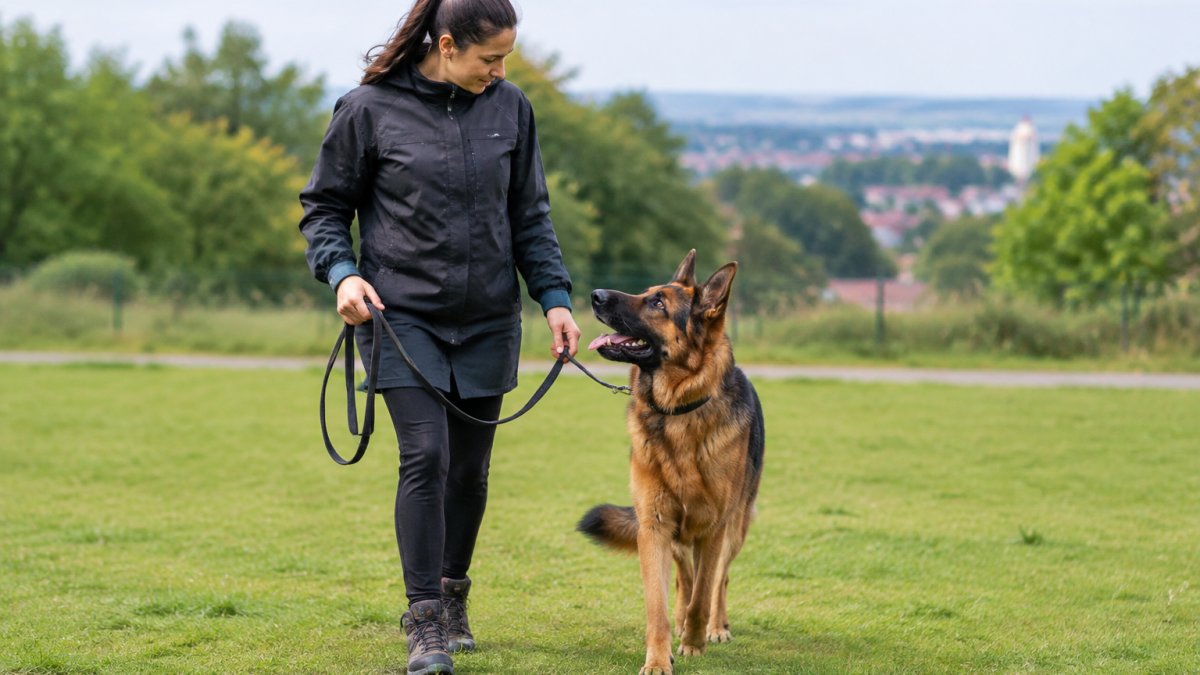
Step 3: Add distance slowly. Start at two or three metres and increase recall distance only when your dog returns promptly every time. A long line lets you practise safely.
Step 4: Add distraction in layers. Begin with mild distractions, such as a person walking past at a distance, then work towards other dogs far away, then closer.
Step 5: Practise calling away, not just calling back. Call your dog away from something interesting, reward generously, then release them back to it.
Step 6: Keep sessions short. Three to five minutes of focused practice beats a long, sloppy session.
For dogs that struggle to stay calm around other dogs, desensitisation and threshold work can help, and owners whose dogs lunge and bark may find that structured one-to-one support is worth considering alongside this plan. You can learn more about how to help dogs become neutral in challenging situations.
A common mistake is calling your dog when they are already locked onto another dog, the cue will fail and you have rehearsed a failure. Call earlier, when your dog can still hear you.
Here is the six-step plan at a glance, so you can see what each stage involves before you start.
Step | What to do | Key detail |
1 | Pick one cue and stick to it | Use it only for recall, never for unpleasant things |
2 | Build value in a quiet environment | Reward every return with high-value food or play |
3 | Add distance slowly | Start at two or three metres; use a long line |
4 | Add distraction in layers | Begin with mild distractions, work towards other dogs |
5 | Practise calling away, not just back | Reward generously, then release back to it |
6 | Keep sessions short | Three to five minutes of focused practice |
Long-Line Recall Training and Recall Games for Dogs
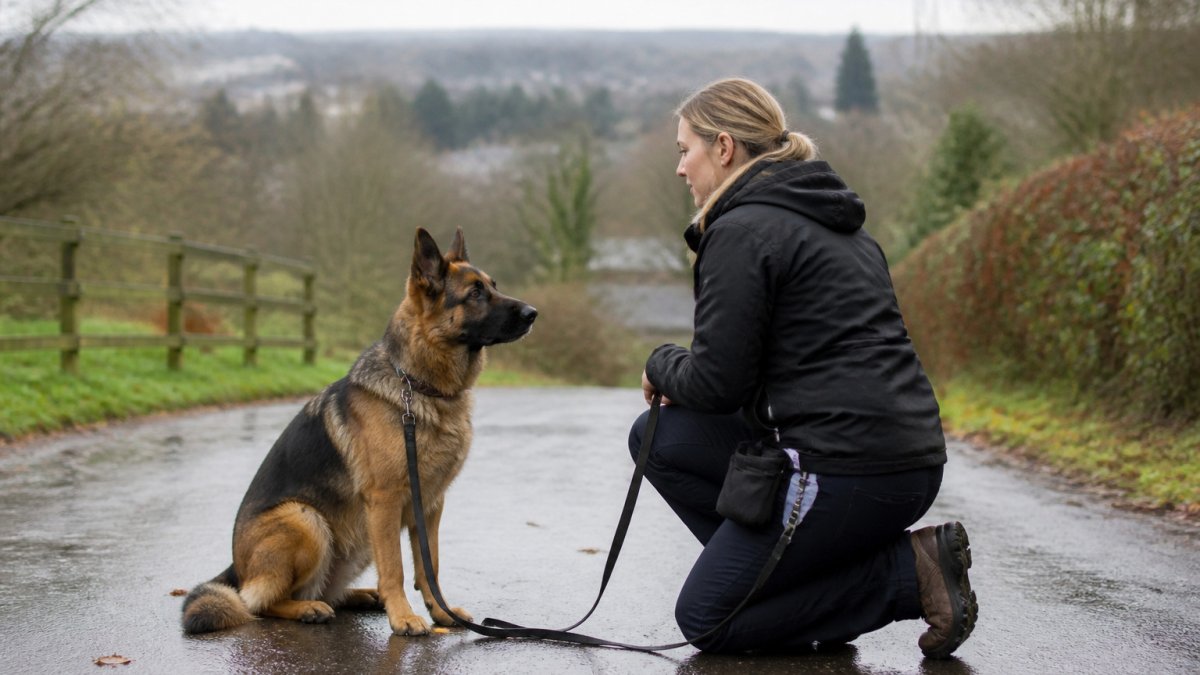
Long-line recall training is the safest way to practise recall around other dogs before you trust your dog off-lead. Use a harness rather than a collar, keep the line clear of your legs, and never grab it mid-run.

Recall games for dogs make practice something your dog looks forward to, and they improve recall through play:
Round robin. Two people take turns calling the dog from a few metres apart.
Chase me. Run a few steps away, then call, so coming to you feels like play.
Emergency recall cue. Train one special cue with the best reward you have, and use it only for genuine emergencies.
Keep the emergency cue separate from your everyday cue, reward it with something exceptional, and never test it casually.
When you are ready for personalised help, you can contact White Wolf Dog Training about a free, no-obligation 1:1 assessment for you and your dog in Reading or the surrounding areas.
Recall around other dogs is one of the hardest skills to build, and it rarely comes right through guesswork. If your dog is reactive, has a history of failed recalls, or you are unsure where to start, that is exactly the kind of case we work with. At White Wolf Dog Training, we offer one-to-one programmes built around your dog's history, with a relationship-based approach that improves impulse control and reliable recall while helping you read and redirect your dog's body language. We work with owners across Reading, Wokingham, Bracknell and the surrounding areas. Get started with White Wolf Dog Training and book your free, no-obligation 1:1 assessment.
Frequently Asked Questions
Why does my dog ignore recall around other dogs?
Other dogs are often more rewarding than the handler, so the recall cue loses value in that moment. Your dog may be excited, worried or simply out of practice at that distraction level. Build recall training around distractions gradually, start in a quiet environment and use high-value food or play rewards. If your dog is reactive, lunging or barking, one-to-one support from a specialist can help you read body language and set up safe practice.
Should I let my dog off the lead if their recall is unreliable?
No. Keep your dog on a lead or long line until recall is reliable around other dogs. Long-line recall training lets your dog practise at a distance while you stay in control, and it keeps other dogs and owners safe. Only progress to off-lead work when your dog returns consistently in low-distraction settings and you can manage real-world encounters safely.
How long does it take to improve recall around other dogs?
There is no fixed timeline. Progress depends on your dog's history, the distraction level and how often you practise short sessions. Some dogs improve in weeks with consistent daily practice; others need months of gradual progression. Track response rate and recall distance, celebrate small wins and seek qualified help if your dog regularly fails to return or shows reactive behaviour around other dogs.
Comments