Reactive Dog Training Results Timeline: What to Expect
Table of Contents
Reactive Dog Training Results Timeline: How Long Does It Take to Train a Reactive Dog?
Signs of Progress in Reactive Dogs (and What a Reactive Dog Training Plan Looks Like)
Reactive Dog Training Setbacks: Why Progress Isn't Linear
Frequently Asked Questions
Last Updated: October 16, 2026
Reactive Dog Training Results Timeline: How Long Does It Take to Train a Reactive Dog?
Most owners see the first real signs of change within four to eight weeks of consistent reactive dog training, while full neutrality around triggers usually takes six to twelve months. The timeline depends on your dog's history, how often you practise, and how well the plan fits.
At White Wolf Dog Training, we work with reactive dogs across Reading and the surrounding areas, so we know how frustrating slow progress can feel.

Reactivity is not disobedience. It is a dog reacting to something it finds scary or overwhelming. That is why the timeline is measured in months, not days.
Key Takeaway The first four weeks are about you, not your dog. You learn to read body language and spot triggers early. That skill is what makes everything else work.
Signs of Progress in Reactive Dogs (and What a Reactive Dog Training Plan Looks Like)
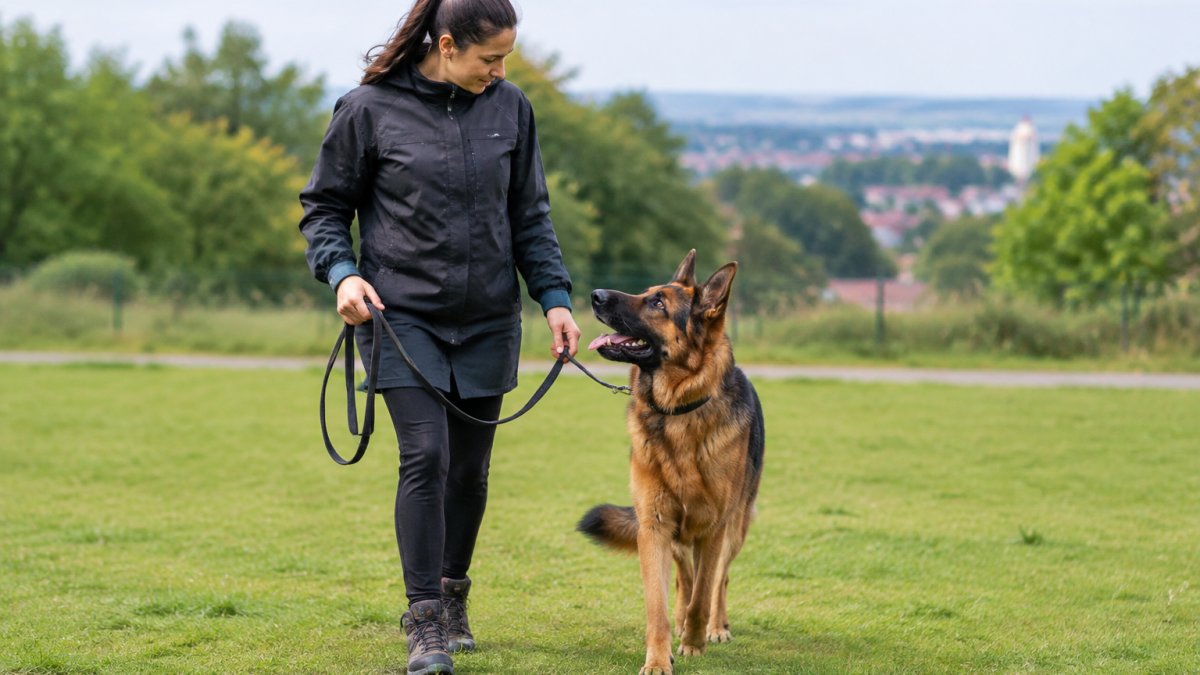
Progress in reactive dogs shows up in small moments: a shorter stare, a quicker recovery, a dog that checks in instead of lunging. A good reactive dog training plan builds these wins on purpose, one trigger at a time.
A realistic plan includes a full history review, clear goals, work at a distance your dog can cope with, short frequent sessions, and weekly adjustments.
Signs you are moving in the right direction: your dog notices a trigger but stays under threshold, recovery time shortens, your dog looks back at you unprompted, and walks feel calmer.
The early weeks are rarely dramatic. Owners often say the first change is in themselves. They stop bracing for the worst.
Pro Tip Film one walk a week on your phone. Watching it back shows progress you miss in the moment, especially recovery time.
Reactive Dog Training Setbacks: Why Progress Isn't Linear
Setbacks are normal, and reactive dog training setbacks usually trace back to something specific.
Common causes include a trigger appearing too close or too fast, your dog being tired, sore or stressed, a routine change such as a house move or new baby, or pushing forward too soon.
When it happens, drop back to an easier distance for a few sessions, note what set it off, keep sessions short and end on a win, and contact your trainer if the dip lasts more than a week.
Most owners hit at least one rough patch. The dogs that do well are not the ones that never slip, but those whose owners adjust and carry on.
If you are in Reading, Wokingham or Bracknell and want a clear plan for your dog, we offer a no-obligation assessment, a chance to talk through your dog's history and see whether one-to-one support is right for you.
Frequently Asked Questions
How soon can you see results from reactive dog training?
Most owners notice small shifts within the first few weeks: their dog recovers faster after a trigger, checks in more often, or holds focus for a few extra seconds. These early wins matter because they show the training approach is working. Full changes in reactive dog training take longer, often several months, depending on how long the behaviour has been practised and how consistently you train. A no-obligation assessment can give you a realistic picture for your dog.
Why does my reactive dog seem to get worse before getting better?
This is one of the most common reactive dog training setbacks. When you start working below your dog's threshold, they may become more aware of triggers because you are no longer dragging them past at speed. They are also learning a new response, which temporarily competes with the old one. If setbacks last more than a week or two, reduce the difficulty, increase distance from triggers, and speak to your trainer.
Can a reactive dog ever become calm around other dogs?
Yes, many reactive dogs learn to be neutral around other dogs with consistent, relationship-based training. Calm does not always mean friendly, but it does mean your dog can pass another dog without lunging or barking. Progress depends on the dog's history, breed traits, and how often you practise. German Shepherds often respond well to structured one-to-one work that builds impulse control and clear communication.
Reactivity rarely resolves on its own, and guessing at methods can set you both back. At White Wolf Dog Training, we specialise in one-to-one work with reactive German Shepherds, using a relationship-based approach that helps you read your dog's body language and build reliable impulse control. If you are in Reading or the surrounding areas, book your free no obligation 1:1 assessment and take the first step towards calmer walks.
Book Your FREE no obligation 1:1 assessment
Comments